Playpen time: how I hamster-proof a room without buying anything
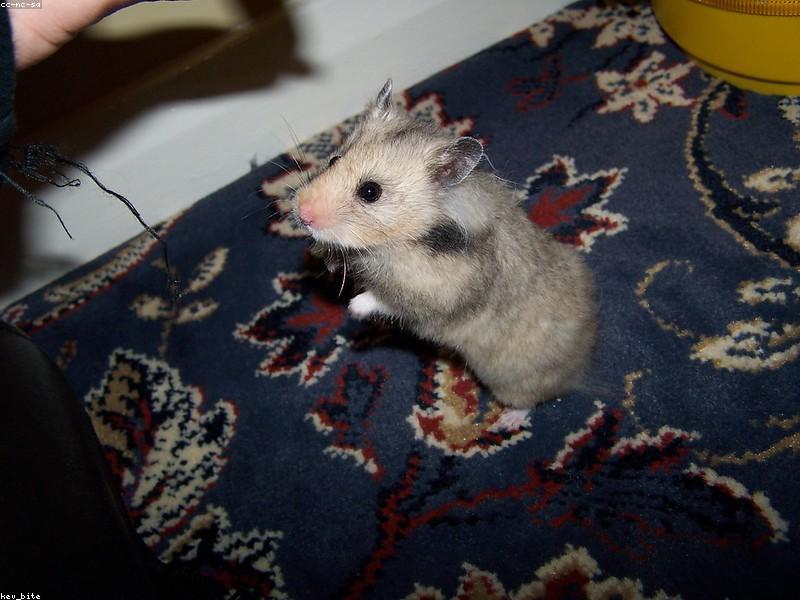
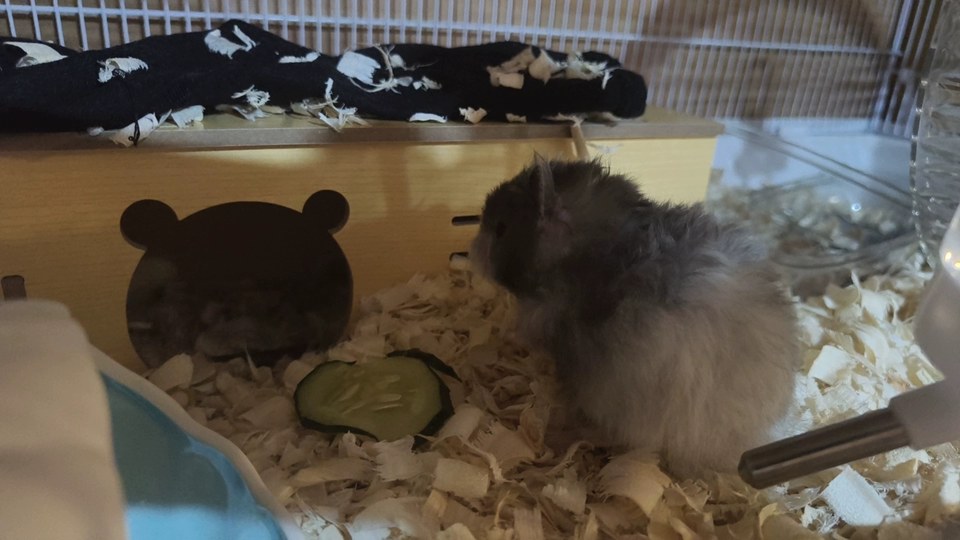
The photo is him after playpen time, which is the most tiring part of his day.
I do not have a proper playpen, so I use the bathroom floor with the door shut and a rolled towel along the bottom of the door. It works well because there is nothing in there he can destroy and nothing to climb onto.
Before he goes down, I walk the room on my hands and knees and check for the things that actually cause problems:
- Cables. They will find a cable you did not know existed. Everything gets unplugged and moved out, not just tucked behind something.
- Gaps under furniture and behind the toilet. If he gets behind something he will not come out on command, and you will spend an hour moving furniture.
- Anything they can chew through: foam, cardboard boxes holding something, plastic bags, the corners of rugs.
- Drops. Stairs, an open door, a bathtub. A hamster has no idea what a height is, which is why playpen time on a table or a bed is not safe on its own.
- Other pets and open windows.
What I put down for him:
- A couple of tunnels and a hide made from an empty tissue box.
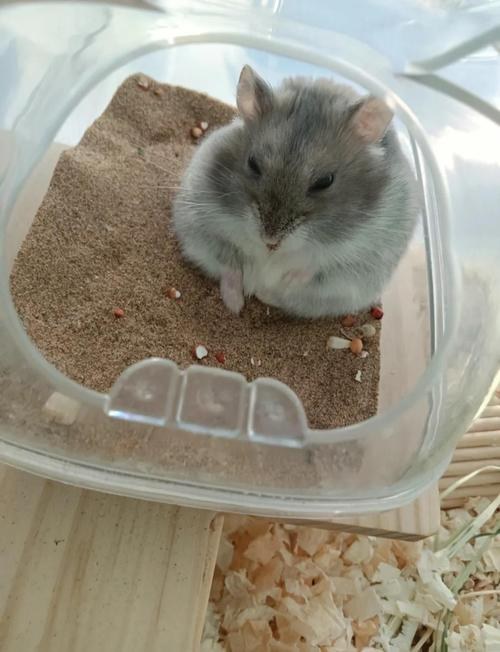
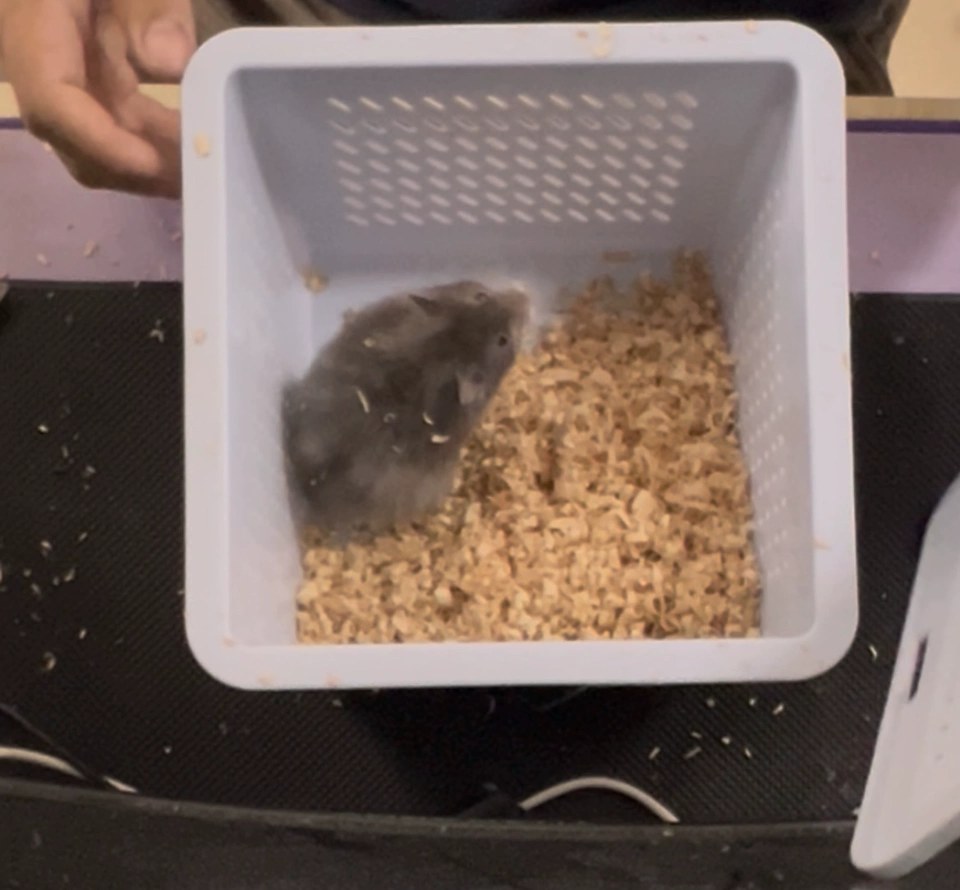
- A shallow dish with a bit of bedding so he can dig somewhere safe.
- A few scattered treats so there is a reason to explore rather than just run along the walls.
Two rules I keep for myself. Twenty minutes is plenty, and I never leave the room. Fifteen minutes in, he starts climbing the wall by the door, which is his way of saying he is done, and he goes back in with a piece of walnut for cooperating.
Since starting this, the bar-biting he used to do in the evenings has almost completely stopped. I think the cage was fine; he just needed somewhere with more floor to cover. If your hamster is doing laps of the cage at night, this is worth trying before buying a bigger cage.
I do not have a proper playpen, so I use the bathroom floor with the door shut and a rolled towel along the bottom of the door. It works well because there is nothing in there he can destroy and nothing to climb onto.
Before he goes down, I walk the room on my hands and knees and check for the things that actually cause problems:
- Cables. They will find a cable you did not know existed. Everything gets unplugged and moved out, not just tucked behind something.
- Gaps under furniture and behind the toilet. If he gets behind something he will not come out on command, and you will spend an hour moving furniture.
- Anything they can chew through: foam, cardboard boxes holding something, plastic bags, the corners of rugs.
- Drops. Stairs, an open door, a bathtub. A hamster has no idea what a height is, which is why playpen time on a table or a bed is not safe on its own.
- Other pets and open windows.
What I put down for him:
- A couple of tunnels and a hide made from an empty tissue box.
- A shallow dish with a bit of bedding so he can dig somewhere safe.
- A few scattered treats so there is a reason to explore rather than just run along the walls.
Two rules I keep for myself. Twenty minutes is plenty, and I never leave the room. Fifteen minutes in, he starts climbing the wall by the door, which is his way of saying he is done, and he goes back in with a piece of walnut for cooperating.
Since starting this, the bar-biting he used to do in the evenings has almost completely stopped. I think the cage was fine; he just needed somewhere with more floor to cover. If your hamster is doing laps of the cage at night, this is worth trying before buying a bigger cage.

 Treats & Supplies
https://hamstertribe.com/post/mT9bOVEz